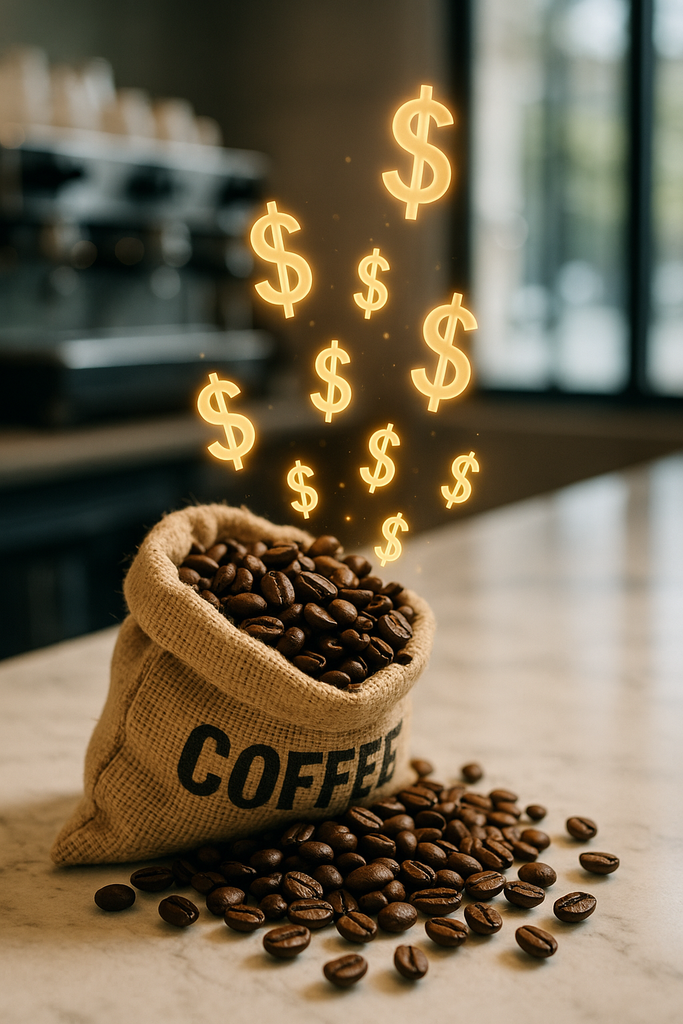
The Rising Cost of Coffee: What’s Behind It & What It Means for Your Morning Cup
Over the past few years, your morning coffee has quietly become more expensive—and not just at your favorite café. From roasters to retailers, the entire coffee supply chain has felt the heat of rising global coffee prices. But why is this happening, and where are things headed? More importantly, how does this affect you as a coffee consumer?
In this post, we break down the fiscal rise of coffee prices, the key economic and environmental factors, and what it means for your wallet and daily brew.
📈 The Fiscal Rise: What’s Driving Up Coffee Prices?
According to global commodity markets, coffee prices have surged significantly since 2020. While prices fluctuate naturally, recent increases have been sharper and more sustained than usual. Here's why:
1. Climate Change & Crop Disruption
Coffee is highly sensitive to temperature, rainfall, and altitude. Major producing countries like Brazil—the world’s largest coffee exporter—have been hit hard by frosts, droughts, and erratic rainfall. These extreme weather events reduce crop yields and drive up prices due to lower supply.
2. Global Inflation & Labor Costs
The broader wave of global inflation post-pandemic has driven up the cost of everything—from fuel and fertilizer to packaging and shipping. Additionally, labor shortages and higher wages in producing countries have raised the cost of coffee production across the board.
3. Geopolitical Tensions & Supply Chain Disruption
Ongoing global logistics issues—exacerbated by port congestion, shipping delays, and fuel price volatility—have increased the cost of exporting coffee. Political instability in producing regions can also destabilize the market, further inflating prices.
4. Speculative Trading in the Coffee Market
Coffee is a globally traded commodity. When investors speculate on shortages, prices can spike even more dramatically, regardless of actual supply or demand levels.
💡 Where Are Coffee Prices Headed?
While 2023 and 2024 saw price corrections in some markets, experts suggest coffee prices will remain elevated into 2025 and beyond. Why?
-
Ongoing climate volatility is expected to continue reducing yields in key regions.
-
Rising consumer demand, especially in developing countries, is putting upward pressure on global supply.
-
A growing shift toward specialty and sustainably sourced coffee often means higher costs due to ethical farming practices and quality standards.
In short: while prices may not spike as rapidly, “cheap coffee” is likely gone for good.
☕ How This Affects Coffee Consumers
The fiscal rise in coffee prices impacts more than just your grocery bill. Here’s how consumers are feeling the change:
1. Higher Retail Prices
Whether you buy whole beans or brewed coffee, you’ve probably noticed price increases. Premium roasts and specialty blends are especially affected, with many brands raising prices by 10–20% since 2022.
2. Shift Toward Value & Quality
Consumers are becoming more selective. Instead of seeking the lowest price, many are choosing high-quality, ethically sourced beans that justify the cost. This shift toward value over volume is reshaping how people shop for coffee.
3. More Home Brewing
To save money, many coffee lovers are investing in home brewing setups—from pour-overs and French presses to espresso machines—reducing reliance on expensive café drinks while still enjoying premium coffee.
4. Transparency Matters More Than Ever
With higher prices, consumers want to know where their money is going. Brands that offer clear sourcing practices, fair trade certification, and direct trade partnerships are gaining trust and loyalty.
🔮 What Can You Do as a Coffee Consumer?
Here are a few ways to navigate rising coffee prices without compromising your morning ritual:
-
Buy in bulk or subscribe to save on per-bag costs.
-
Support roasters with ethical sourcing and transparent pricing.
-
Experiment with brewing methods that stretch each bag further, like cold brew or French press.
-
Stay informed—follow your favorite coffee brands and producers to learn how they're adapting and investing in sustainable practices.
🌱 Final Thoughts: The Future of Coffee Is Worth Protecting
The rising cost of coffee is more than just an economic trend—it’s a reflection of the challenges facing our planet, our farmers, and our supply chains. As a coffee drinker, you play a part in shaping a more sustainable future—one cup at a time.
Whether you're savoring a single-origin Ethiopian or enjoying a holiday blend like our Origins No. 3, you're supporting a global network of growers, roasters, and communities.
Let’s raise our mugs to mindful choices, better coffee, and a more resilient coffee industry.